Skip to content

mosquito control Orlando

Mosquito Control in Orlando, FL

Afternoon thunderstorms and warm nights keep mosquitoes working across Greater Orlando most of the year. Orlando Pest Experts walks the yard first, marks breeding pockets you can empty the same day, and treats the shaded hedge and fence lines where adults rest between feedings.

Begin coverage before late-spring evenings heat up, then hold a steady cadence through the rainy season. HOA retention ponds, clogged oak-lot gutters, and daily irrigation refill breeding sites within hours after summer cells. Visit timing matters as much as the spray pattern.

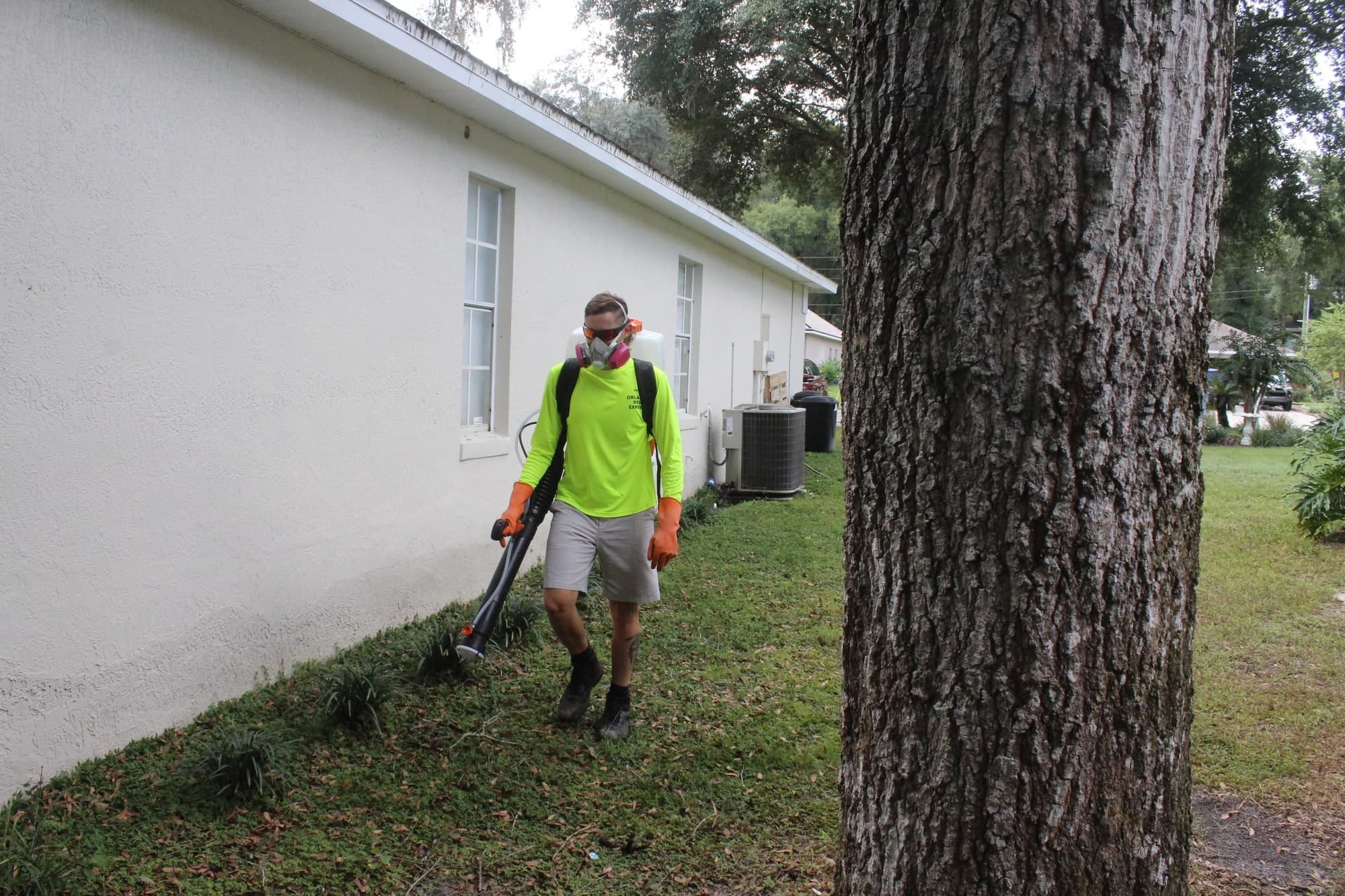
Orlando Pest Experts technician applying mosquito treatment outdoors

Prevention-first mosquito control for Greater Orlando

Every visit starts with the conditions on your property. We look for source pressure, entry routes, and repeat triggers so the plan fits Central Florida homes and businesses - from irrigated subdivisions to canopy lots and lake-adjacent yards.

Breeding-site walkthrough on every first visit
Targeted vegetation and perimeter treatment
Recurring options matched to rain cycles
Clear standing-water and gutter guidance

How our service works

We walk you through what we check, why it matters, and what happens next.

1

Walk the property

We check toy bins, boat covers, clogged gutters, bird baths, dense hedges, and pond-adjacent beds before any treatment. On HOA lots we also note storm grates and littoral shelves that hold water after every afternoon cell.

2

Treat priority zones

Coverage focuses on shaded vegetation, fence-line harborage, and the underside of leaves where mosquitoes rest. We skip open sunny sod that dries between storms and spend time on the edges that stay damp.

3

Set a rain-aware cadence

You leave with a short source-reduction list and a visit schedule that tracks Central Florida storm bands. Pond-adjacent homes usually need tighter intervals from June through September.

Common mosquito species in Central Florida

These are the mosquitoes homeowners most often deal with around Greater Orlando yards and containers. Knowing which group is active helps explain daytime versus evening bites and where to empty standing water first.

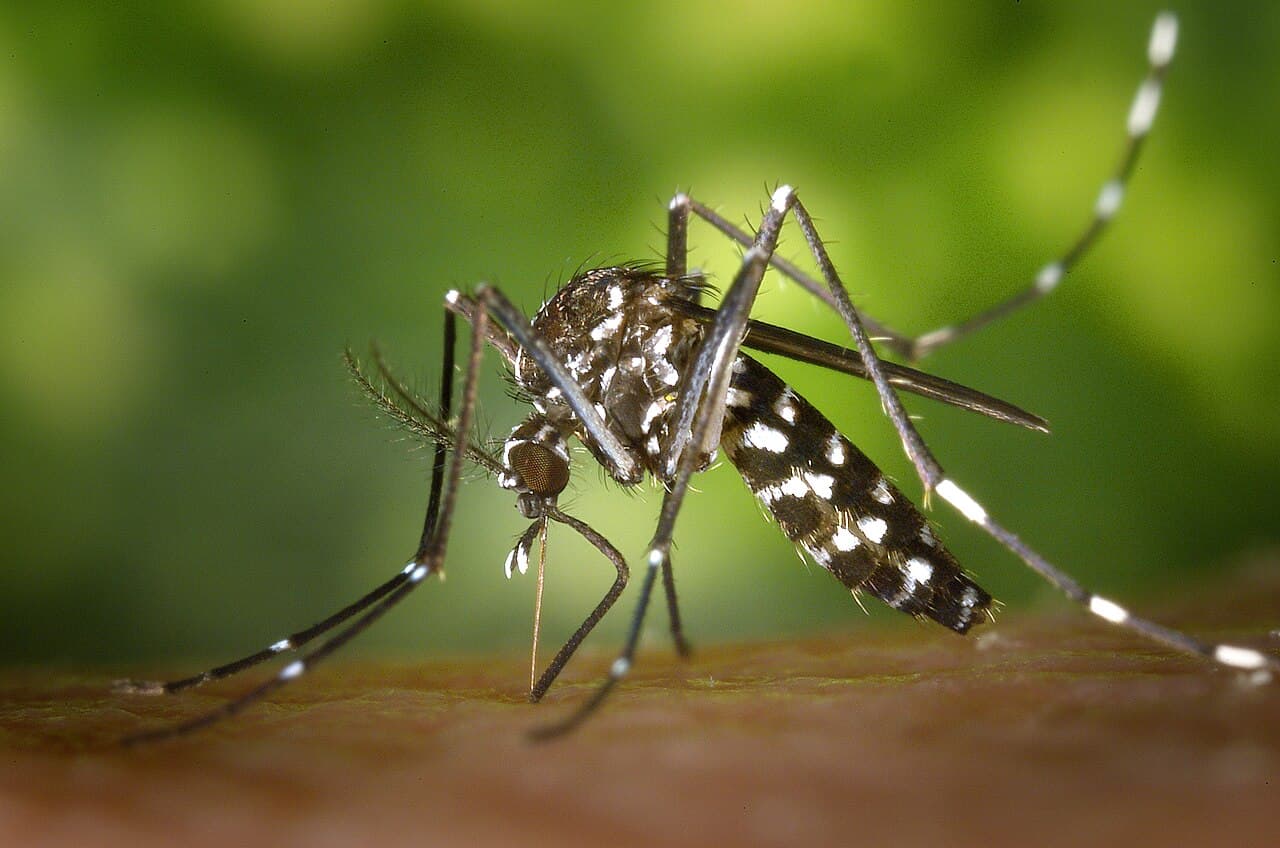
Asian tiger mosquito (Aedes albopictus), black with white leg stripes

Asian tiger mosquito (Aedes albopictus)

Asian tiger mosquitoes are aggressive daytime biters common around Central Florida homes. They breed in small containers such as saucers, toys, gutters, and bromeliads, so a single clogged downspout can keep pressure high near the patio. CDC lists this species as an important container breeder in the United States.

Where found
Shaded yards, patio furniture, plant saucers, tarps, toys, clogged gutters, and other water-holding containers close to the house.
How to recognize
Black mosquito with bright white stripes on the legs and a single white stripe down the center of the thorax. Active in daytime, especially mornings and late afternoons.

CDC Aedes albopictus guidance; photo James Gathany / CDC via Wikimedia Commons (public domain).
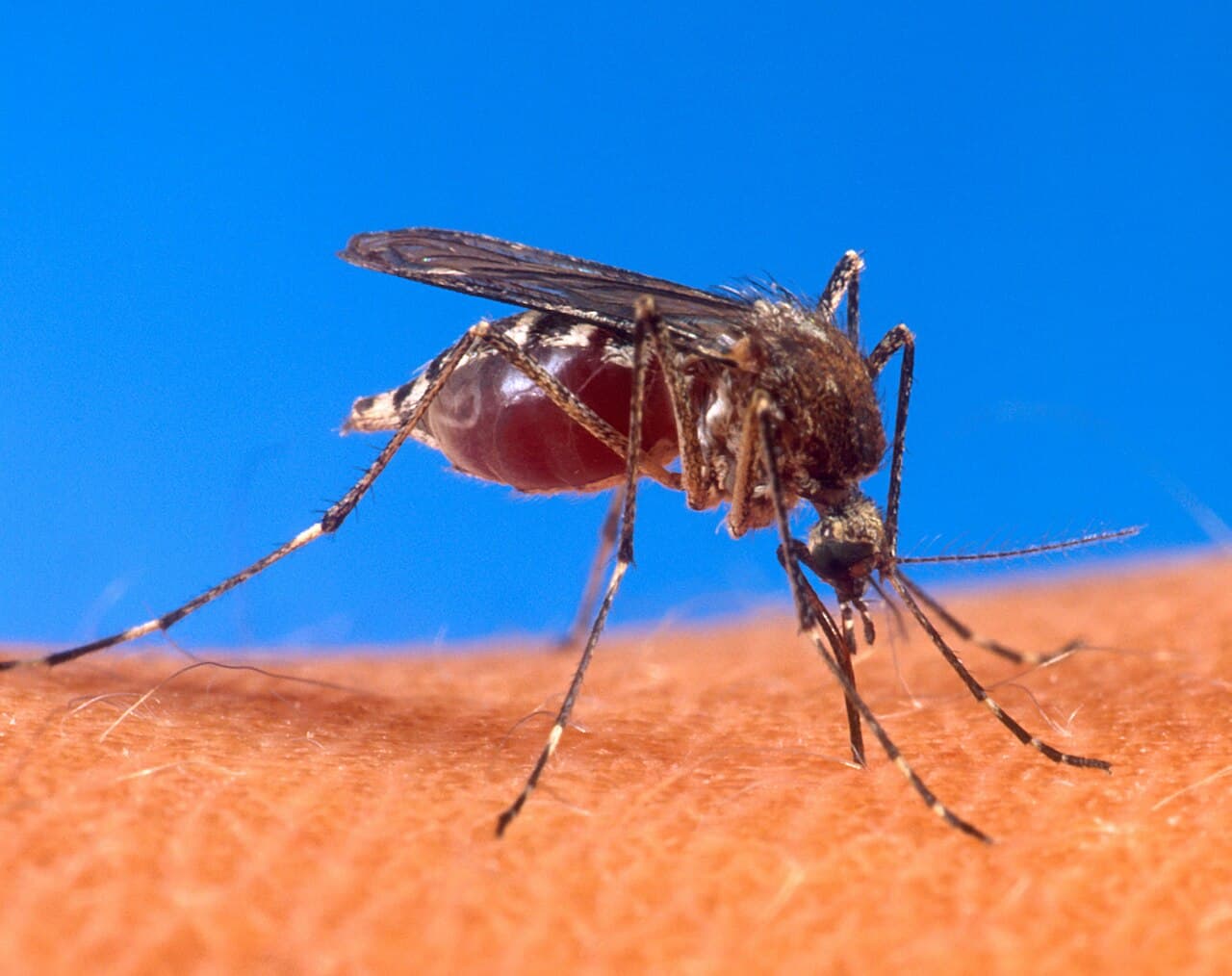
Yellow fever mosquito (Aedes aegypti) feeding, showing white thoracic markings

Yellow fever mosquito (Aedes aegypti)

Aedes aegypti is established in Florida and prefers containers around people. It bites mainly during the day and rests in shaded spots near homes. Reducing standing water in yards remains the first step before barrier treatments.

Where found
Flower pots, birdbaths, discarded tires, clogged drains, and other artificial containers in residential neighborhoods.
How to recognize
Dark mosquito with white lyre-shaped markings on the thorax and white bands on the legs. Similar size to the Asian tiger mosquito but with a different thorax pattern.

CDC Aedes aegypti guidance; USDA / public-domain photo via Wikimedia Commons.

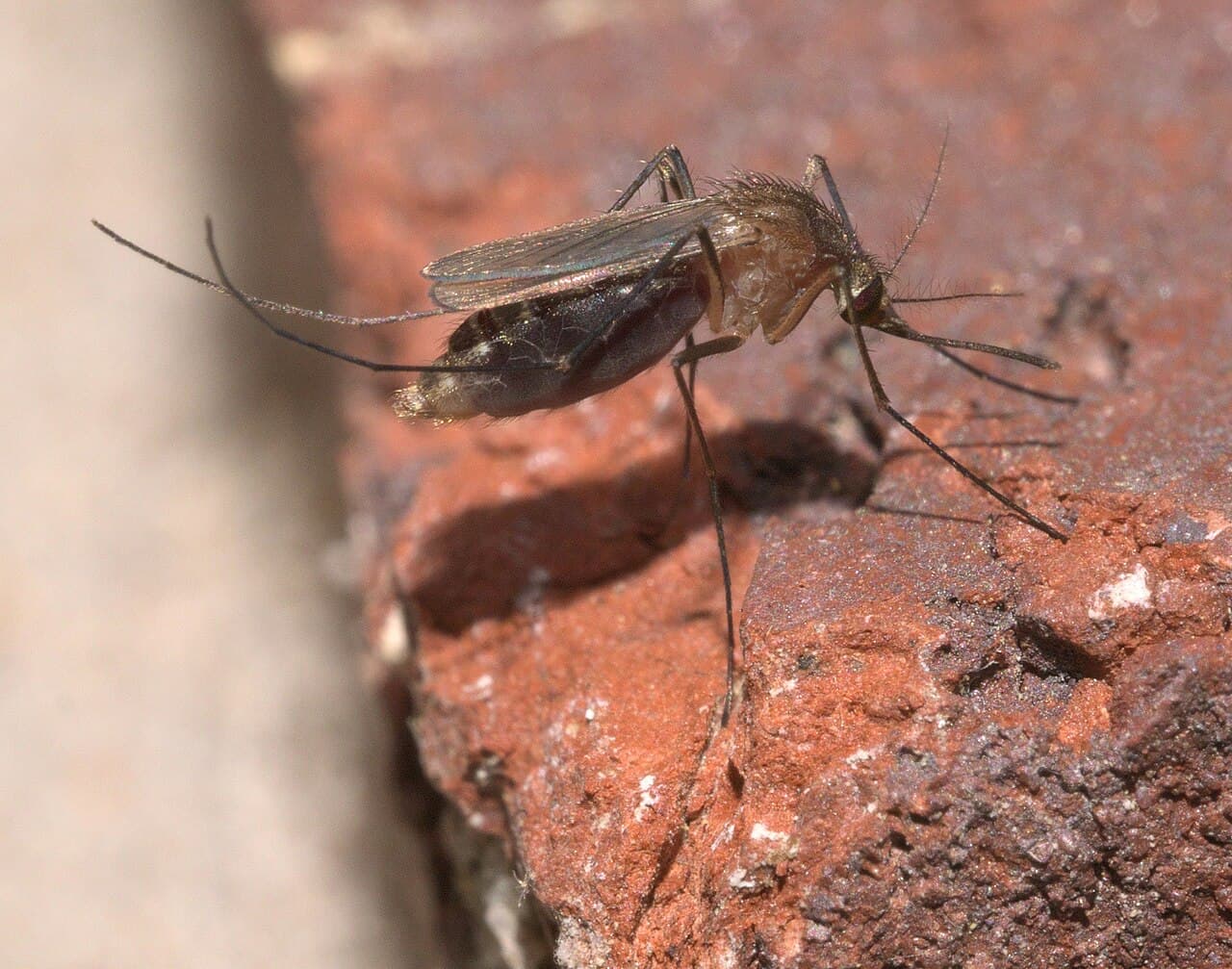
Southern house mosquito (Culex quinquefasciatus) adult at rest

Southern house mosquito (Culex quinquefasciatus)

Southern house mosquitoes are night-active Culex common around Central Florida neighborhoods with ditches, stormwater, and polluted standing water. They rest in vegetation and shaded structures by day and become noticeable on warm evenings after rain.

Where found
Storm drains, ditches, neglected pools, birdbaths, and organically rich standing water. Adults rest in shrubs and under eaves.
How to recognize
Brownish mosquito without the bold white tiger stripes of Aedes. Tip of the abdomen is usually blunt. Most biting happens after dusk.

CDC Culex guidance; photo via Wikimedia Commons (Robert Webster, CC BY-SA 4.0).

Service areas

We treat yards and perimeters across Greater Orlando. Calls cluster near HOA ponds in Winter Springs, lake-chain lots in Casselberry, and newer retention basins around south Orlando subdivisions. That includes Orlando, Winter Springs, and Casselberry.

All Service Areas

Related services

Explore other prevention-first pest control services.

Common questions

Fast answers before you schedule.

When is mosquito control most important in Orlando?

Mosquitoes stay active most of the year here, but calls rise from late spring through the rainy summer when ponds, gutters, and irrigated beds refill often. Winter Springs HOA ponds and Casselberry lake-edge swales often lead those peaks.

Do you check for standing water?

Yes. The first visit maps buckets, drains, boat covers, toy bins, and irrigation overspray so treatment pairs with what you can empty or fix before the next storm.

Can mosquito service be recurring?

Yes. Recurring visits keep vegetation coverage fresh through heavy rain and warm nights. Pond-adjacent Winter Springs and Casselberry lots usually benefit most from a summer cadence.

Does treatment help after every afternoon storm?

One visit reduces resting adults on treated foliage. Heavy rain can refill breeding pockets and wash pressure back in, so we time follow-ups around the storm pattern on your route day.

Pests at home or at work?

Call or schedule a free estimate. Tell us what you are seeing and we will recommend the next step.