Skip to content

ant control Orlando

Ant Control in Orlando

After rain or a long irrigation cycle, Central Florida ants move from mulch and slab edges into kitchens and baths. Orlando Pest Experts identifies the species on the trail, treats nesting pressure outdoors and indoors, and leaves sealing and cleanup steps that fit how your lot stays wet.

Spring flights and rainy-season pressure push ghost ants and fire ants hardest. Call when trails hit kitchens, baths, or offices, especially after HOA controllers switch to daily watering or after late-summer storms rebuild fire ant mounds on open sod.

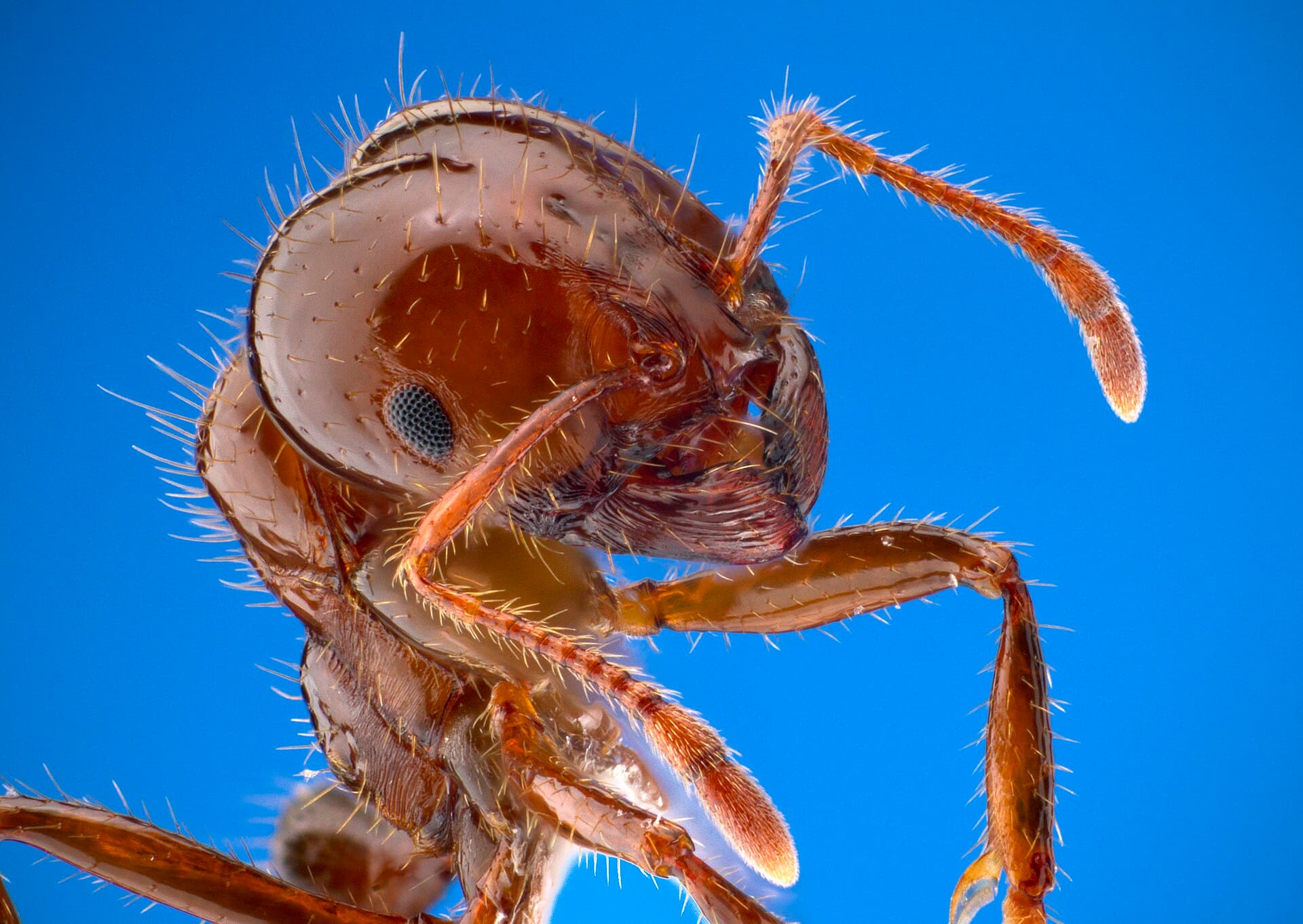
Red imported fire ant (Solenopsis invicta) worker, a common Central Florida yard species

Prevention-first ant control for Greater Orlando

Every visit starts with the conditions on your property. We look for source pressure, entry routes, and repeat triggers so the plan fits Central Florida homes and businesses - from irrigated subdivisions to canopy lots and lake-adjacent yards.

Trail and nesting inspection before treatment
Interior and exterior options as needed
Fire ant and household ant plans
Entry-point and moisture guidance

How our service works

We walk you through what we check, why it matters, and what happens next.

1

Trace the activity

We follow trails from counters back to moisture, weep holes, expansion joints, and exterior nesting sites. Shared-wall townhomes and lakefront beds get extra attention where ants travel utility chases.

2

Target the colony pressure

Treatment follows the species and nest sites we find, including fire ant mounds in open lawns and ghost ant pressure along damp mulch. Interior work focuses on the rooms where trails actually enter.

3

Prevent return trails

We recommend sealing, pantry cleanup, and irrigation tweaks so mulch and slab edges dry between watering cycles. Those steps cut the conditions that restart indoor trails after rain.

Common ant species in Central Florida

These ants show up most often in Greater Orlando kitchens, bathrooms, and yards. Ghost ants and rover ants lead many indoor trails. Fire ants dominate open lawns. Carpenter, white-footed, and crazy ants add their own nesting patterns.

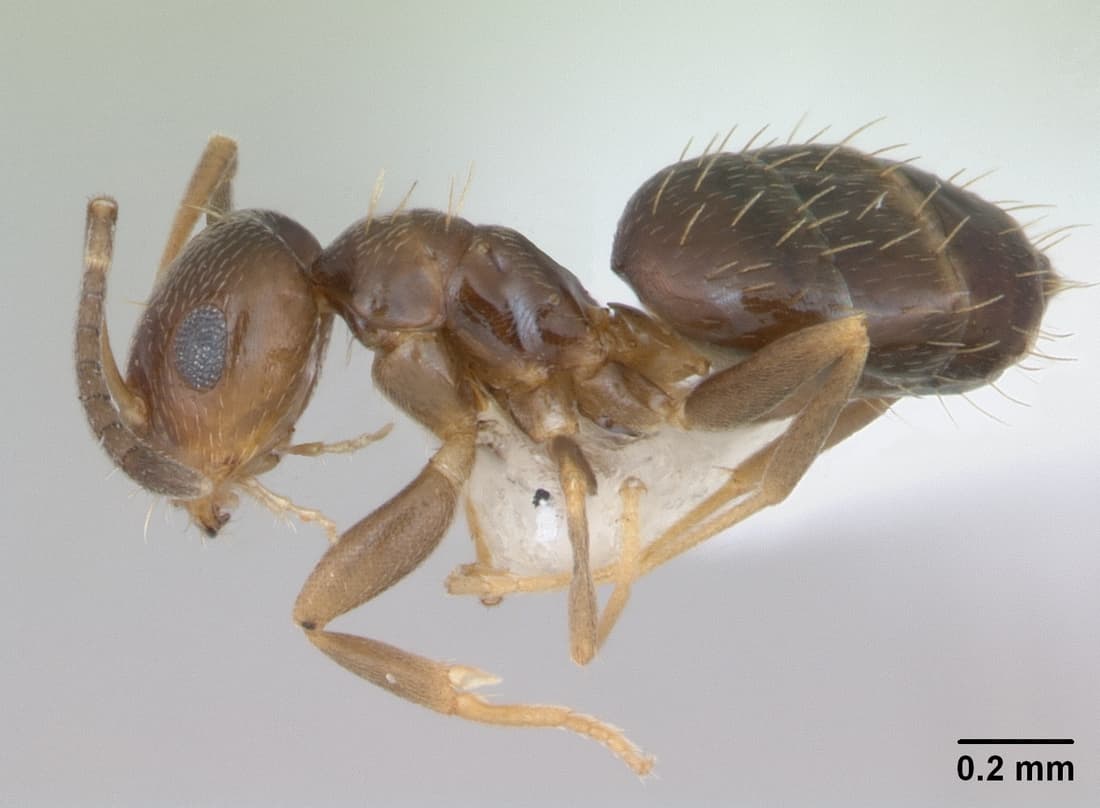
Ghost ant (Tapinoma melanocephalum) worker in profile, dark head with pale abdomen

Ghost ant (Tapinoma melanocephalum)

Ghost ants are among the most common indoor ants from Orlando south through Florida. Workers are tiny, with dark heads and pale, almost translucent abdomens and legs that make trails hard to see on light counters. Colonies bud easily, so kitchen and bathroom trails often restart if moisture and food crumbs remain.

Where found
Kitchens, bathrooms, wall voids, potted plants, and moist cabinet edges. Outdoor nests in mulch and under debris often feed indoor trails after rain or irrigation.
How to recognize
Workers about 1/16 inch long. Dark head and thorax with pale legs and gaster. A faint musty odor when crushed. Trails often follow plumbing and window sills.

UF/IFAS EENY-294; AntWeb specimen photo via Wikimedia Commons (CC BY 4.0).
Red imported fire ant (Solenopsis invicta) worker close-up

Red imported fire ant (Solenopsis invicta)

Red imported fire ants dominate sunny Central Florida lawns, playgrounds, and open beds. They build conspicuous mounds and defend them aggressively with stings that often raise white pustules. Workers may forage indoors after flooding or heavy irrigation, but most pressure stays outdoors in the yard.

Where found
Open lawns, playground edges, sidewalk cracks, utility boxes, and irrigated turf. Mounds appear after rain when soil is soft.
How to recognize
Workers vary from about 1/8 to 1/4 inch, reddish brown. Two-node waist. Mounds lack a central opening on top. Stings are the clearest field clue.

UF/IFAS ENY-203; photo via Wikimedia Commons (Insects Unlocked, CC0).

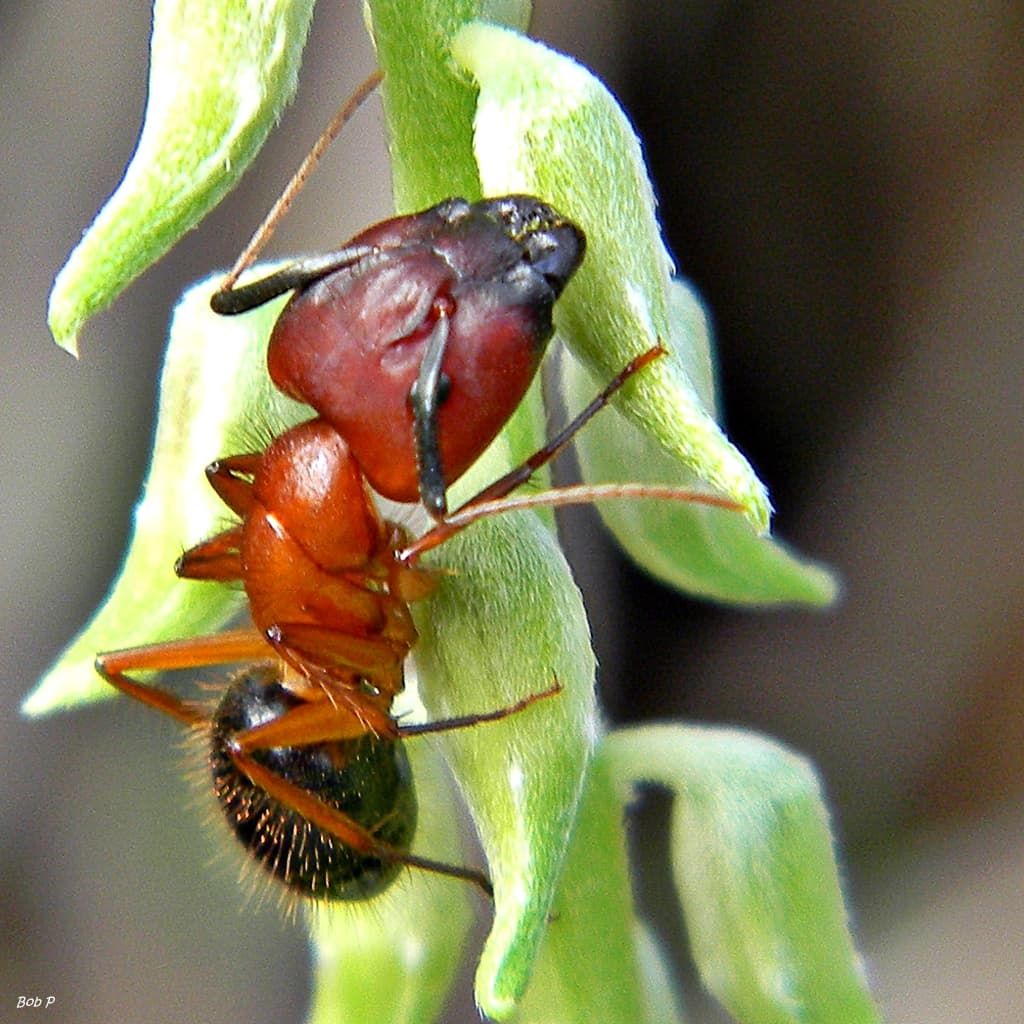
Florida carpenter ant (Camponotus floridanus) major worker on a plant

Florida carpenter ant (Camponotus floridanus)

Florida carpenter ants are large, bicolored ants that nest in moist or soft wood, wall voids, and landscape timber. They excavate galleries for nesting space. Night foraging into kitchens is common, and UF surveys have long listed them among top homeowner ant complaints in the Orlando metro.

Where found
Damp wood, tree cavities, mulch against siding, attic voids, and window frames. Workers forage at night on counters and along baseboards.
How to recognize
Large workers, often 1/4 to 1/2 inch, with a reddish thorax and darker abdomen. One-node waist. No sting; they bite if handled. Sawdust-like frass may appear near nest openings.

UF/IFAS EENY-272; photo via Wikimedia Commons (Bob Peterson, CC BY-SA 2.0).

White-footed ant workers (Technomyrmex), dark bodies with pale tarsi on a plant stem

White-footed ant (Technomyrmex difficilis)

White-footed ants form huge, multi-nest colonies in Florida landscapes and structures. Workers are small and dark with pale tarsi (feet). They trail heavily on exterior walls, attics, and into kitchens, and they are difficult to bait because many colony members do not feed on typical ant baits the same way other species do.

Where found
Leaf litter, palm bases, attic insulation, wall voids, fence lines, and outdoor furniture. Indoor trails often follow exterior walls into kitchens.
How to recognize
Workers under 1/8 inch, dark brown to black, with noticeably lighter feet. One-node waist. Dense trails on walls and vegetation are typical.

UF/IFAS ENY-203 (Florida populations are Technomyrmex difficilis). Live photo on Commons labeled Technomyrmex albipes, the lookalike historically confused with Florida white-footed ants (Yathumon M A, CC BY-SA 4.0).

Dark rover ant (Brachymyrmex patagonicus) worker in profile

Dark rover ant (Brachymyrmex patagonicus)

Dark rover ants are tiny household ants that have become widespread in Florida structures. Workers slip through hairline cracks around windows, slabs, and plumbing. They often show up in bathrooms and kitchens in small, scattered trails.

Where found
Around windows, baseboards, bathrooms, and kitchen edges. Outdoor nests in soil, mulch, and under pavers feed indoor activity after rain.
How to recognize
Very small brown to black workers, roughly 1/16 inch. Soft-bodied appearance. Trails are thin and easy to miss until numbers rise.

UF/IFAS ENY-203; AntWeb specimen photo via Wikimedia Commons (CC BY 4.0).
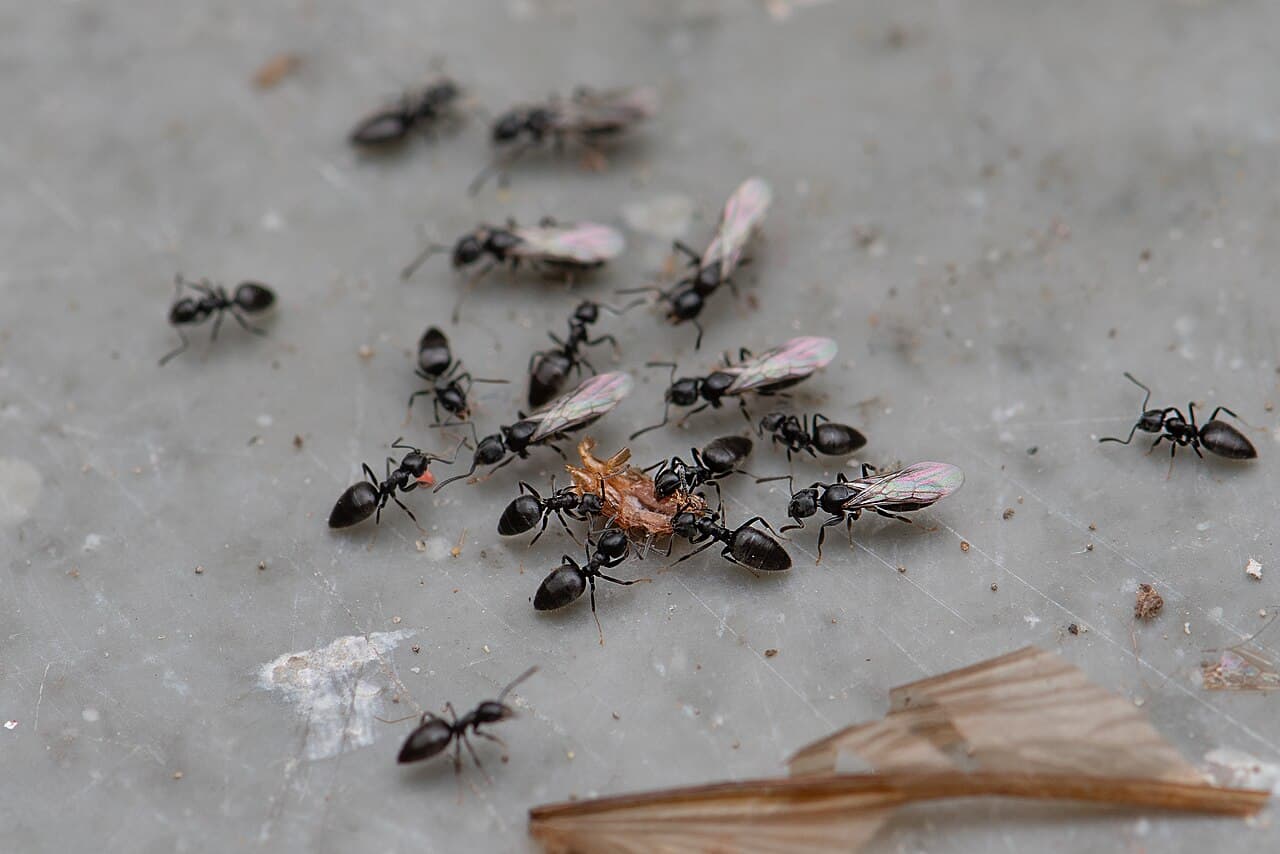
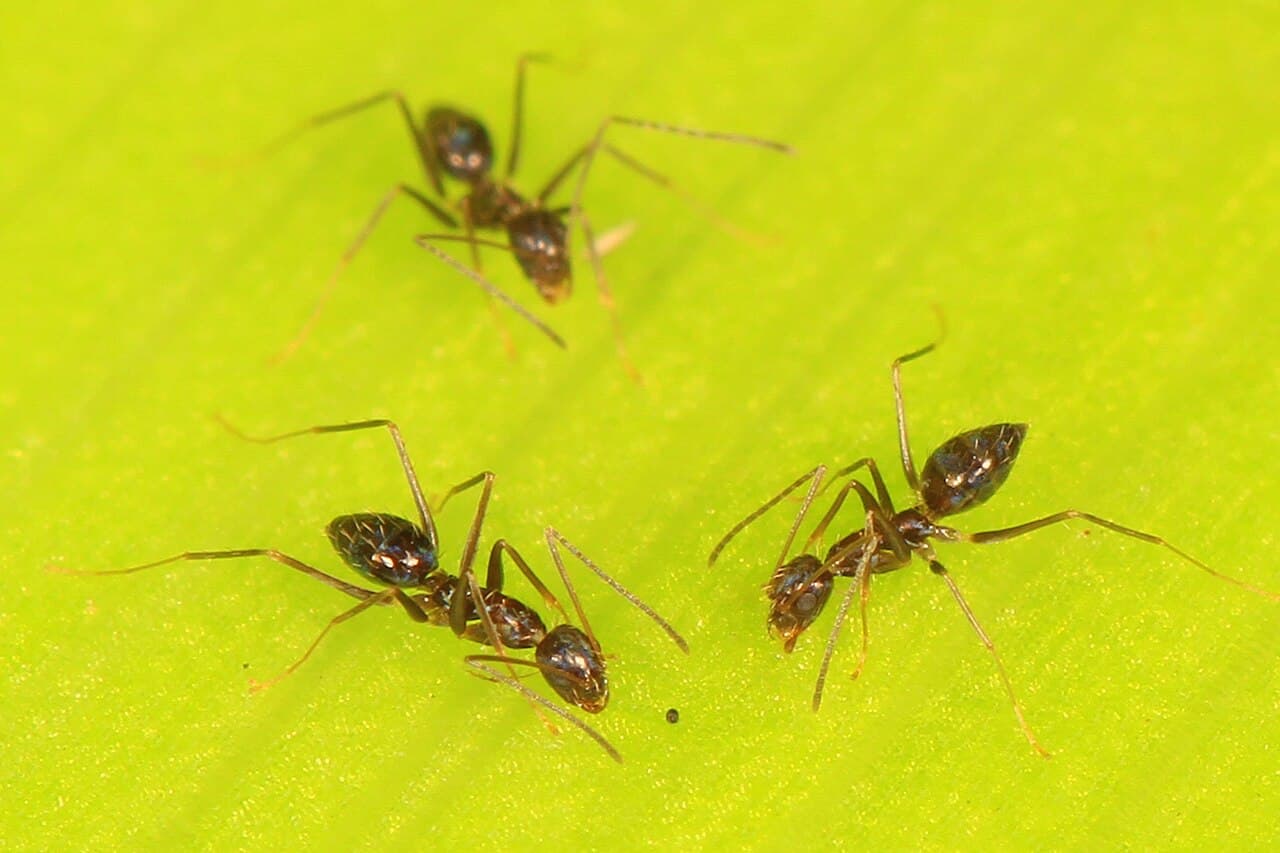
Longhorn crazy ant (Paratrechina longicornis) photographed in Florida

Longhorn crazy ant (Paratrechina longicornis)

Longhorn crazy ants are slender, fast ants with very long antennae and legs. UF pest-control surveys have listed them among Florida's key structural ant pests. They forage erratically, trail into kitchens and bathrooms, and nest in wall voids, potted plants, and outdoor debris.

Where found
Kitchens, bathrooms, electrical equipment, potted plants, and exterior debris piles. Common in warmer Florida counties including Central Florida service areas.
How to recognize
Slender dark brown to black workers with antennae and legs that look oversized for the body. Erratic, zigzag running when disturbed.

UF/IFAS ENY-203; Florida photo via Wikimedia Commons (Judy Gallagher, CC BY 2.0).

Service areas

We treat household ants and fire ant pressure across Greater Orlando. Ghost ant trails show up often in irrigated subdivisions, while open Oviedo and east-corridor lawns see more fire ant mounds along fence lines. That includes Orlando, Oviedo, and Maitland.

All Service Areas

Related services

Explore other prevention-first pest control services.

Common questions

Fast answers before you schedule.

What types of ants do you treat?

We handle common Central Florida ant issues, including ghost ants in kitchens, carpenter ants under canopy lots, and fire ant mounds on open Oviedo and subdivision lawns.

Why do ants keep coming back?

Recurring trails usually mean food crumbs, wet slab edges, open weep holes, or outdoor colony pressure still need work after the first treatment.

Do you treat yards and interiors?

Yes. The treatment area depends on where activity starts and how ants enter. Many calls need both a kitchen trail treatment and exterior nest or mound work.

Do irrigation schedules affect ant pressure?

Yes. Daily watering keeps mulch and foundation edges wet, which supports ghost ant trails into kitchens. Retargeting spray heads or shortening run times often helps the treatment hold.

Pests at home or at work?

Call or schedule a free estimate. Tell us what you are seeing and we will recommend the next step.