
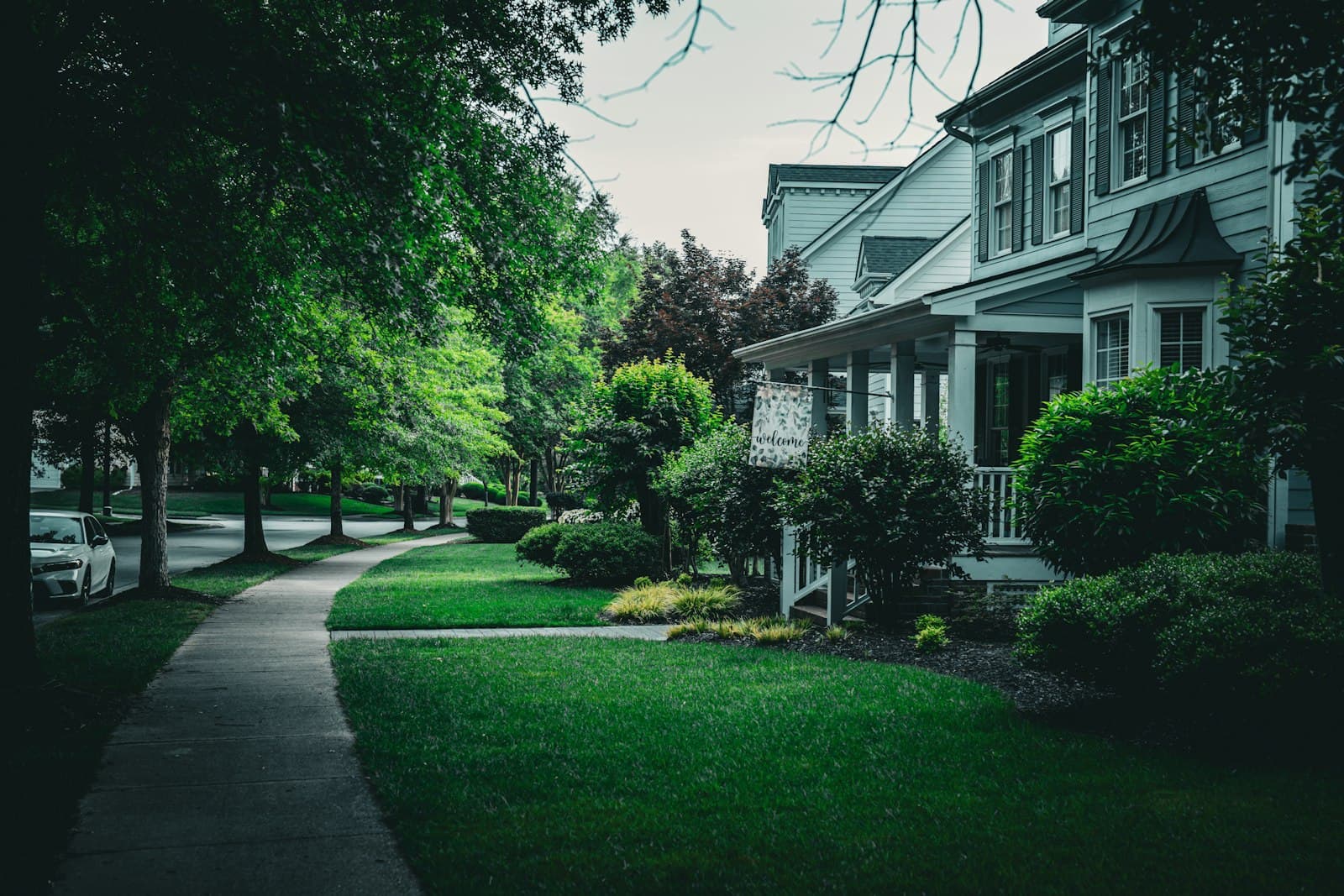
UF/IFAS Extension Lake County wrote on September 15, 2026 about lawn insects that expand in hot weather. The note names five destructive turf insects in Florida: southern chinch bugs, white grubs, mole crickets, tropical sod webworms, and fall armyworms. The chinch bug pattern shows up on St. Augustine lawns in Winter Park and on ranch lots in Casselberry.
Five lawn insects Extension names
Southern chinch bugs are the ones St. Augustine owners usually notice first. They pierce blades, suck the fluid, and leave toxic saliva behind, so the grass yellows and can die.
The same Lake County note also names:
- White grubs, beetle larvae that eat roots underground
- Mole crickets, which tunnel and leave the lawn spongy
- Tropical sod webworms, caterpillars that chew blades at night
- Fall armyworms, which can strip a patch in a few days when they move as a group
The Lake County note points readers to UF/IFAS publication ENY-300, Insect Pest Management on Turfgrass, for the fuller management picture.
Chinch bug patches on St. Augustine
Homeowners usually see irregular yellow or brown patches that spread during hot, sunny weather. Damage clusters near sidewalks, driveways, and other surfaces that reflect heat. On a Winter Park street lawn, that is often the strip between the walk and the curb. In Casselberry, watch the same hot edge along the driveway and the front walk.
More water leaves chinch bug feeding in place. The insects are taking fluid from the blades.
A soap flush, then a name
Brown patches have several causes. Drought stress, fungal disease, nutrient gaps, and irrigation problems can look like insect feeding. Extension specialists recommend a soap flush test that brings many lawn insects up where you can see them. The Lake County article names that test and leaves the mix to Extension guidance, so this post stops at the name of the test.
White grub damage can lift like loose carpet because the roots are gone. Armadillos and raccoons often dig those lawns while they hunt grubs. White grubs show up in bahiagrass, bermudagrass, and St. Augustinegrass.
Mole cricket tunneling is especially hard on bahia, Bermuda, and St. Augustine, and much of their life stays underground. Tropical sod webworms leave ragged leaf tips. Small cream-colored moths may fly up when you walk the lawn in daylight. They feed on most warm-season grasses grown in Florida. Fall armyworm injury looks skeletonized or chewed down to the stems, and heavy summer rain favors them. Bermudagrass, bahia, and ryegrass are especially susceptible, and they will feed on many turf types when numbers are high.
The slab edge and the sprinklers
Thick thatch and sprinkler heads aimed at the wall keep the foundation damp. Pull irrigation off the slab and keep the grass edge from burying weep holes. That house-side pass is separate from treating the lawn itself.
Who identifies the lawn, and who inspects the house
Still stuck on the insect, visit the Lake County Master Gardener Volunteer Plant Clinic at the Lake County Agriculture Center, 1951 Woodlea Road, Tavares, FL 32778, 352-343-4101. The center is open Monday through Friday from 9 a.m. to 4 p.m., and Master Gardener volunteers staff the clinic from 10 a.m. to 2 p.m. Closer to Orange or Seminole County, take a sample to your local UF/IFAS Extension office.
Lawn insects belong with Extension or a company that treats turf. Orlando Pest Experts inspects the building. If insects are coming indoors along that damp slab, residential pest control covers the house. Schedule an estimate for a perimeter walk-through in Winter Park, Casselberry, or nearby cities.
Related reading: September lovebugs · Florida seasonal pest guide · All service areas